Breed-specific legislation has always been controversial in the world of animal welfare. These laws target certain breeds, often labeling them as dangerous without considering the heart and history of each dog.
While the intention may be to keep communities safe, such laws place an unfair burden on shelters. Let’s explore how these rules affect adoption rates and why compassion must guide the path forward.
What Is Breed-Specific Legislation?
Breed-specific legislation, or BSL, refers to laws that restrict or ban ownership of specific dog breeds. Pit bulls, Rottweilers, and Dobermans are among the most common targets. But these rules don’t judge a dog by its actions. They judge by appearance.
For families hoping to adopt, this means fewer opportunities and more hurdles when a loving pet happens to fall under a banned breed.
For new adopters, check out First-Time Pet Adoption: The Ultimate Step-by-Step Guide for valuable guidance.
Who Gets Left Behind?
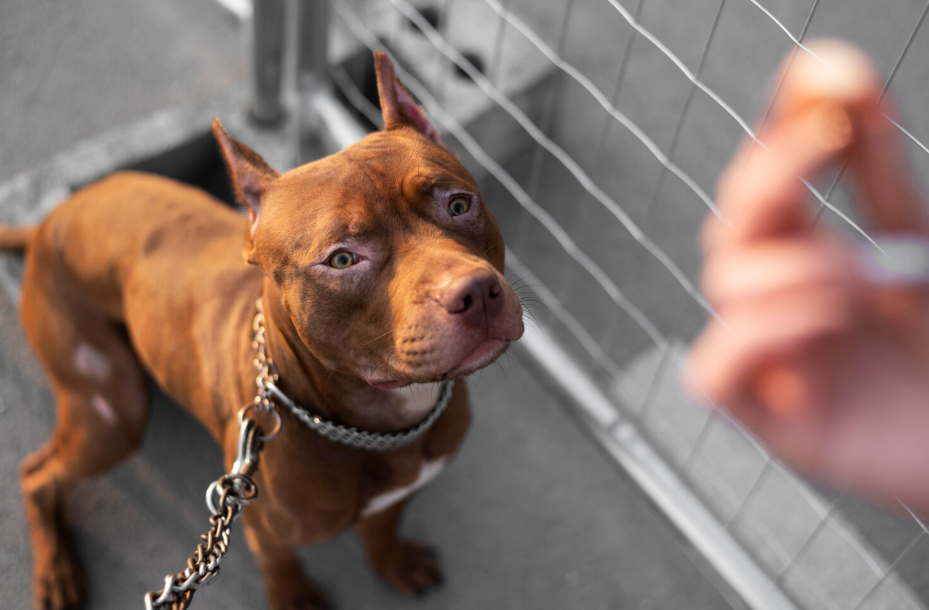
When we hear about breed-specific legislation, pit bulls often come first to mind. Despite their reputation, many pit bulls are gentle, affectionate companions.
Yet restrictions mean potential adopters hesitate, and shelters see pit bull adoption rates remain much lower than other breeds.
This creates heartbreaking scenarios where wonderful dogs wait months or even years for a chance at family life.
The Impact of Breed Bans on Shelters
The impact of breed bans on shelters is profound. Families who relocate to areas with restrictions may be forced to surrender pets they love. Shelters, already stretched thin, end up with more dogs and fewer adopters willing to take them in.
This contributes to animal shelter overcrowding and adds pressure to staff and volunteers working tirelessly to give every dog a fair chance.
Breed Laws Around the World
These policies aren’t limited to the United States. The Dangerous Dogs Act in the United Kingdom bans breeds such as the American Pit Bull Terrier and Japanese Tosa. Canada, Australia, and several European countries have similar laws.
The effects of dog breed laws vary by region, but the outcome is often the same: fewer homes for dogs labeled as “dangerous,” even when they show no signs of aggression.
Real-Life Effects: High Shelter Surrender
Behind every statistic is a story of loss. Many families surrender dogs not because of behavior, but because of a zip code. These moments are gut-wrenching. Dogs that have shared couches, bedtime routines, and family milestones suddenly find themselves in kennels, confused and longing.
A striking example comes from Ohio, where, following breed-specific legislation, animal control agencies reported handling 8,834 pit bull-designated dogs. Only 1,425 were adopted or reclaimed, while a staggering 84% were euthanized.
This shows how these laws force discriminated dogs out of homes and into shelters, where overcrowding often leaves euthanasia as the only option.
Alternatives to Breed Specific Legislation
Animal welfare experts argue that humane alternatives to breed bans exist.
Instead of banning certain dogs, many advocate for responsible ownership laws. These include leash requirements, spay/neuter programs, and training support.
By focusing on education and accountability, shelters and communities can create safer environments without discriminating against entire breeds.
Moving Forward with Empathy
Breed-specific legislation affects more than policy—it touches hearts, homes, and shelter kennels across the world. The effects of dog breed laws are real, but so are the solutions.
By replacing fear with education and prejudice with compassion, we can give more dogs a chance to thrive. Every dog deserves to be seen for who they are, not for the label assigned to their breed.