Losing a pet is every family’s nightmare. Fortunately, pet microchipping has transformed the way lost animals find their way back home. Microchips act as permanent identification, giving lost pets a far greater chance of reuniting with their loved ones.
Understanding how they work, why they matter, and real stories of reunions can help more families protect their companions.
How Pet Microchips Work
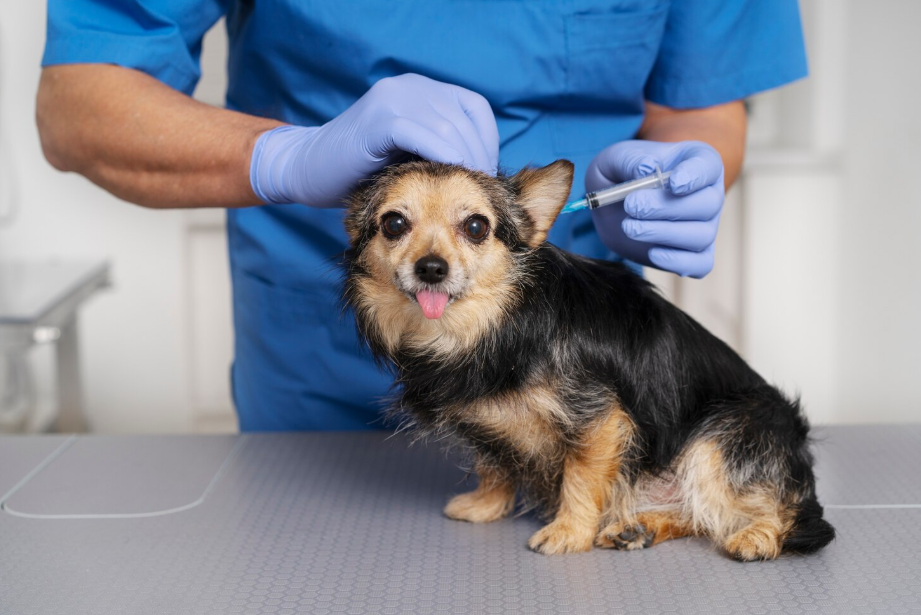
To understand their power, it helps to know how pet microchips work. A microchip is a tiny pet identification microchip, about the size of a grain of rice. Veterinarians place it just under the skin, usually between a dog or cat’s shoulder blades.
The chip contains a unique ID number. When a vet or shelter scans the animal, the number appears on the scanner. That number links to a database with the owner’s contact details. Unlike collars or tags, which can fall off, microchips remain with pets for life.
It’s important to note the difference between a microchip and a GPS tracker. Microchips don’t track location. Instead, they provide a permanent ID that connects a pet back to its registered owner.
The Benefits of Microchipping Pets
The benefits of microchipping pets are clear. According to the American Veterinary Medical Association, dogs with microchips are more than twice as likely to be returned to their owners, and cats are 20 times more likely.
This statistic, often called the microchip reunion rate, shows the life-saving power of this simple technology.
Microchips also give shelters confidence. When a lost animal arrives, staff can scan and contact families immediately. This reduces stress for pets, cuts shelter costs, and shortens the time animals spend away from home. For families, it brings peace of mind, knowing that even if a collar is lost, their pet has a secure form of ID.
Microchipping Dogs and Cats
Both species benefit, though statistics show cats see the greatest gains. Many lost cats entering shelters arrive without collars.
With microchipping dogs and cats, the difference is striking: chipped cats are 20 times more likely to return home than unchipped ones.
For dogs, microchipping doubles their return rates compared to those without permanent identification.
Microchip Success Stories
The numbers are powerful, but the stories bring the message home. Families separated from pets for months or even years have been joyfully reunited thanks to microchips.
In one case, a dog missing for two years was identified during a routine shelter intake. His microchip connected him instantly with his owner. In another case, a cat named Blueberry was reunited with her family after four years and hundreds of miles away.
These microchip success stories remind us that technology and compassion go hand in hand to bring families back together.
For more heartwarming stories, check out From Shelter to Forever Home: 10 Incredible Pet Transformation Stories.
Pitfalls and Reminders
Even the best tools need upkeep. A common pitfall is not keeping microchip info updated. If you move or change phone numbers, update the registry. An inactive or outdated registration makes it impossible to contact you, even if your pet is scanned.
That’s why National Check the Chip Day exists each August, reminding families to confirm their details are current. A quick update can make the difference between a prolonged search and a joyful reunion.
Love That Lasts a Lifetime
Pet microchipping is simple, affordable, and lifesaving. By understanding how microchips work, recognizing the benefits, and learning from inspiring reunions, families can make informed choices to protect their pets.
For every lost dog or cat that finds its way home, the message is clear: a tiny chip carries immeasurable love and hope.