Adopting exotic pets may sound like a dream, but behind the excitement is a heavy responsibility. Reptiles, birds, and unusual mammals have unique needs that many homes aren’t equipped to handle.
To give them a true forever home, you must consider the legal, ethical, and emotional aspects of adoption with compassion and honesty.
The Legal Side of Exotic Pet Adoption
Every adopter must start with the law. Exotic pet regulations differ by state and city. Some animals, such as hedgehogs or small reptiles, may be legal with permits, while others, like primates or big cats, are restricted.
National laws also play a role. The Lacey Act helps control invasive species, and the Big Cat Public Safety Act prevents dangerous ownership. Checking reliable resources ensures you avoid heartbreaking situations where a pet is taken away because it wasn’t legal to own.
If you’re new to adoption, even with traditional pets, it’s vital to understand the basics. Check out First-Time Pet Adoption: The Ultimate Step-by-Step Guide for insights.
Meeting the Challenges of Exotic Pet Care
The truth is, exotic animals need more than love. They need specialized care. These exotic pet challenges include:
- Diets you may not find at the local grocery store.
- Enclosures that replicate natural habitats.
- Access to veterinarians who specialize in exotic animal care.
- Commitment to animals that may outlive you.
Without preparation, adopters can feel overwhelmed, and pets may suffer. Taking the time to budget, research, and plan helps avoid these painful outcomes.
To get a clearer picture of what to expect financially, see The True Cost of Pet Adoption (and How to Budget for It).
Adopting Reptiles Responsibly
Many people imagine that adopting reptiles will be easy. But snakes, lizards, and turtles have strict needs.
A turtle may need UV lighting and clean water daily. A snake requires careful temperature control. Reptiles live decades, making them long-term companions.
If you cannot commit to their care for life, adoption may not be the kindest choice.
The Special Needs of Adopting Exotic Birds
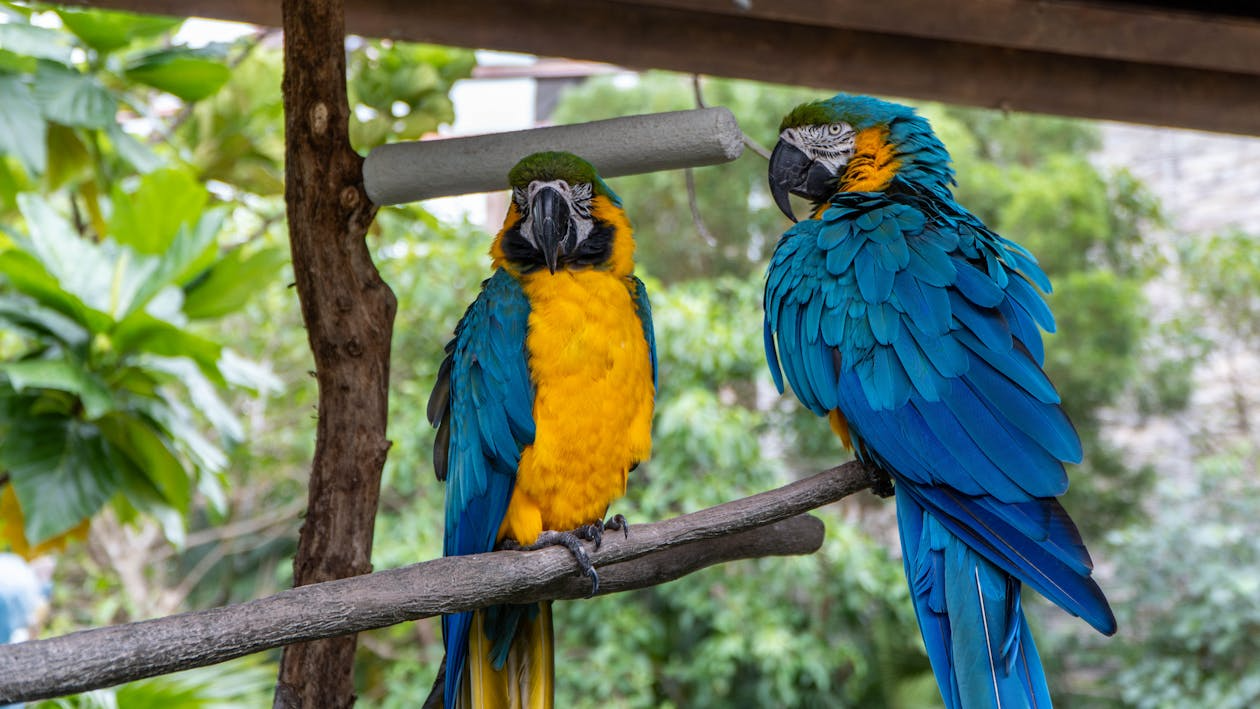
The beauty and intelligence of parrots and cockatoos attract many people. But adopting exotic birds is a lifelong commitment. Some live 50 years or more. They crave daily social interaction and mental stimulation. Without it, they can become depressed or destructive.
When treated with patience, though, exotic birds reward families with love and loyalty like no other companion.
Unusual Mammals as Pets: Is It Fair?
Families sometimes explore unusual mammals as pets, such as sugar gliders or hedgehogs. While cute, these animals often struggle in home environments. Nocturnal habits, fragile health, and dietary demands can make care stressful for both pet and owner.
It may feel disappointing not to adopt, but choosing the animal’s welfare is an act of deep compassion.
The Heart of Responsible Ownership
At the end of the day, adopting exotic pets is a serious calling. Responsible exotic pet ownership asks hard but loving questions:
- Can I meet daily exotic pet responsibilities for years to come?
- Do I have the financial, emotional, and time resources?
- Am I ready to put the animal’s welfare first?
Saying ‘yes’ opens your heart to a transformative journey. But saying ‘no’ is equally brave because it honors the animal’s right to a safe, thriving life.
Adopting With Care
The decision to adopt reptiles, birds, or mammals is not just about ownership. It’s about creating a bond built on knowledge, compassion, and responsibility.
By learning the laws, preparing for the challenges, and placing the animal’s needs first, adopters ensure that adopting exotic pets becomes an act of true love. It’s a chance to give every creature the second chance it deserves.