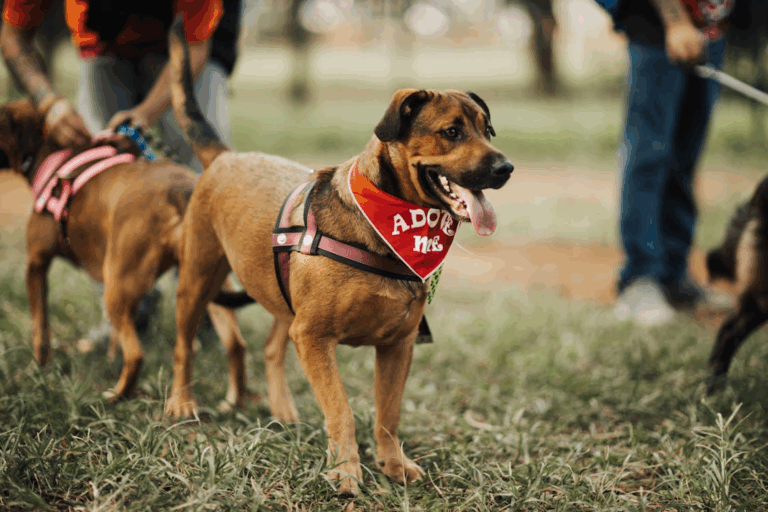
You’re looking into those big eyes in the shelter, and your heart drops a little when you read “history unknown” on the cage card. Maybe this beautiful dog was found as a stray, or this friendly cat was surrendered with no information about their life previously. Although adopting a pet with an unknown history can be intimidating, such pets are often the most grateful, loving companions. It is all about understanding what “unknown history” really means and preparing yourself for the unique adventure ahead.
Understanding What “Unknown History” Really Means
Pets with unknown histories typically fall into several categories: strays that were picked up wandering with no ID, animals surrendered by people who cannot provide a history, or pets from hoarding situations where records were not kept. This does not always mean they have been abused or have serious problems; sometimes they are simply lost pets whose owners were unable to be located.
But it does mean you’re starting from a blank slate. You’ll know nothing of their medical history, vaccination status, previous training, behavioral triggers, or even their exact age. As unnerving as this mystery is, it also means you get to discover their personality and needs alongside them and build a relationship based on present experiences rather than assumptions of the past.
Medical Considerations and Health Preparations
A priority is a full veterinary examination within days of adoption. Pets with unknown histories need complete blood work, parasite testing, dental examination, and screening for prevalent diseases. Even if minimal medical care was provided in the shelter, a complete exam offers baseline health information.
Prepare for potentially expensive medical surprises. That limping may be an old injury that needs surgery, or skin issues can be a manifestation of underlying conditions in need of ongoing treatment. Pet insurance makes itself especially valuable for unknown history adoptions, most policies cover conditions that occur after enrollment.
Do not panic if your new pet needs medical attention. A lot of the illnesses in shelter animals are due to stress, poor nutrition, or lack of preventive care rather than serious genetic disease. With proper veterinary care, most animals recover fully and thrive.
Read More: Adopting a Senior Pet: Challenges and Rewards
Behavioral Assessment and Realistic Expectations
Expect a decompression period that will last from weeks to months. The “3-3-3 rule” provides a helpful benchmark: 3 days for the initial adjustment, 3 weeks for settling into the routine, and 3 months for the real personality to emerge. Your pet’s shelter behavior can be quite different from their home personality.
Start with worst-case scenario assumptions and adjust as you learn. Assume they need house training review, have no commands, and may have food or resource guarding problems. This conservative approach prevents problems and gives you pleasant surprises when they demonstrate previous training.
Seek out behavioral red flags like excessive fearfulness, food or toy aggression, or anxious destructiveness. These are not deal-breakers but do require professional intervention. Most shelters provide post-adoption support and can connect you with trainers who provide trauma-informed pet care.
Read More: The True Cost of Pet Adoption (and How to Budget for It)
Creating a Safe, Structured Environment
Mystery history pets thrive on structured routines and boundaries. Establish regular feeding schedules, walk schedules, and bedtime routines immediately. Structure provides feelings of security for animals with chaotic or unstructured histories.
Provide a safe space where your pet can retreat when they are feeling overwhelmed. This may be a crate for dogs or a quiet room for cats. Never interrupt them when they are in this space; absolutely respect it.
Introduce newness gradually. Don’t overwhelm them with visitors, car rides, or new experiences as they transition. Let them grow comfortable in your home and schedule before expanding their world.
Building Trust and Bonding
Patience is your best friend when working with pets of uncertain background. They may be warily aloof, overly submissive, or overzealous and attention-seeking initially. All of these responses are normal adjustments to questionable circumstances.
Use positive reinforcement consistently. Reward wanted behavior immediately and ignore unwanted behavior when it is safe to do so. Food motivation works especially well with formerly homeless animals, and training and bonding are easier.
Do not personalize setbacks. When your new dog has accidents or your cat hides for weeks, it is not rejection – it is processing. Trust is established more quickly with consistent, gentle interaction than with forced affection.
Long-Term Success Strategies
Write down everything during the initial weeks, such as behavior patterns, likes and dislikes, fears, and reactions to different situations. It teaches you what your pet requires and provides useful history to relate to veterinarians down the line.
Establish connections with support networks early. Support groups for rescue pet owners exist in most areas, and online forums provide useful information from people who have gone through similar situations.
Remember that unknown history doesn’t mean damaged goods. Some of the most well-adjusted, loving pets come from mysterious backgrounds. Their resilience often translates into deep gratitude and strong bonds with patient, understanding adopters.
Your willingness to give these special animals a chance makes you exactly the right person to help them write their next chapter.
Read More: What to Expect in the First 30 Days After Adoption