Your lovely companion is dead, and the house feels intolerably quiet. Their beloved toy rests unmoving by the door, their bed remains slept in, and kind friends are already saying, “You need to get another dog” or “you must get a new cat so you won’t feel so lonely.” The idea feels both open-hearted and heartbreaking. How could any animal replace the irreplaceable bond you shared?
The truth is that no other animal will ever replace the one that passed away, but when you’re ready, letting your heart be open to a new buddy can bring healing, meaning, and joy back into your life again.
Understanding Grief and Its Timeline
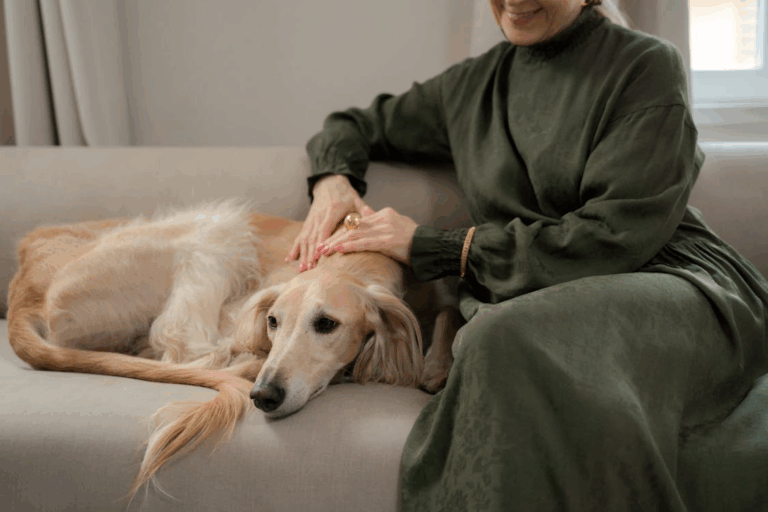
Pet loss is real, deep, and personal. Your bond with your pet was unique, developed through years of shared habits, everyday moments, and unrequited affection. Don’t have someone dismiss your loss or rush your healing with comments like “it was just a pet”; your grief merits respect and patience.
There is no standard time to grieve your pet. Some individuals are prepared to bring in a new pet in a matter of weeks, and there are others who might take months or even years. Both responses are absolutely natural. Your grieving process depends on variables like the length of your relationship, the cause of your pet’s death, your support group, and your personal coping style.
Allow yourself to feel whatever arises without censoring it. Guilt that you lived while pet, anger at the situation over which you have no control, or relief if your pet had endured a long illness – all are healthy grief responses.
Read More: How to Prepare Your Home for a Newly Adopted Pet
Signs You Might Be Ready to Adopt Again
You’re likely ready to take on adoption when thoughts of a new pet excite you, not grief. Instead of feeling that you are betraying the memory of your deceased friend, you start thinking of the joys of training a new puppy or rehabilitating a shelter cat into a better life.
Another positive indicator is when you are able to talk about your late pet with more smiles than tears, remembering good times without being overwhelmed by sadness. You’ve gotten past the overwhelming sorrow and can celebrate the love you had rather than bemoaning the loss.
Practical readiness also matters. Can you handle the activity level of a new pet without being exhausted by grief? Do you have the emotional strength to be patient with housebreaking, behavior modification, or health problems? Adopting needs to work to speed your recovery, not make an already difficult process harder.
Read More: International Pet Adoptions: Process, Pitfalls, and Rewards
Red Flags: When You’re Not Ready Yet
If you’re anticipating a new pet to occupy your grief or replace the very space your old buddy had taken, then you’re not yet prepared. New pets need to be loved individually, and not as grief therapy or replacements for irreplaceable relationships.
Steer clear of adopting if you’re still in acute grief phases where everyday coping seems like an impossible task. A new pet requires constant attention, training, and emotional availability that may be hard to muster when you’re not even managing daily self-care.
Don’t let pressure from others dictate your timeline. Friends and relatives may push for adoption, believing it will help you “get over it,” but only you can decide when you’re emotionally ready for this level of commitment.
Choosing Your New Companion Thoughtfully
Take in a pet with different qualities from your previous companion. If you had a high-energy young dog, perhaps a more laid-back elderly dog would be less of a comparison and more of a fresh start. Different breeds, colors, or even species may make this new bond one of a kind rather than a substitute.
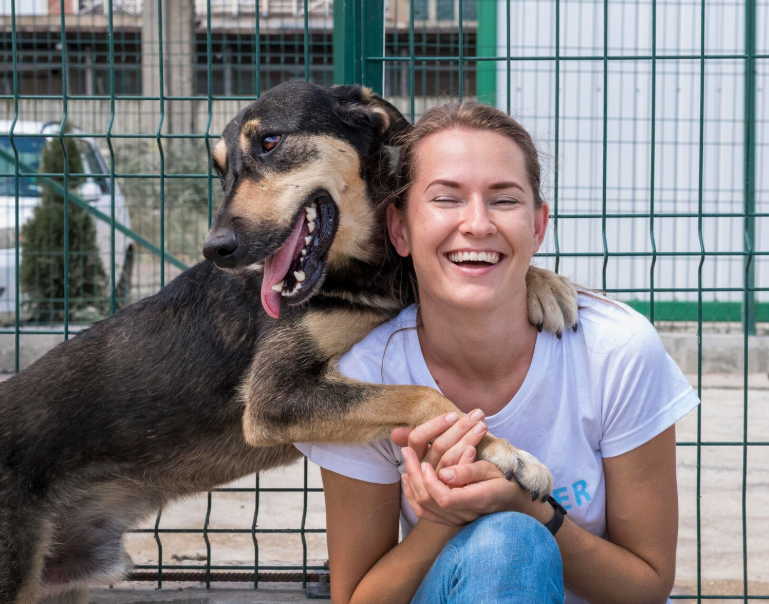
Older animals can be especially meaningful to grieving adopters. They will generally need less training and more love, inviting windows for deep attachment while providing these neglected animals their hard-earned, easy golden years.
Visit shelters when you are in a stable emotional space and not in those moments of unbridled grief. You must make decisions from spaces of authentic connection and compatibility, not desperation or overwhelming sadness.
Honoring Both Past and Future
Create rituals that honor your deceased pet in welcoming your new companion. This might mean keeping a photo of your previous pet but creating new spaces for your adopted pet, or donating supplies to shelters in memory of your previous pet.
Allow your new pet to form their own habits and character without forcing them into the previous pet’s traditions. They might have alternate places where they lie down, toys, or activities, and embrace these as part of welcoming your new member.
Consider acts of remembrance that positively involve your new pet. People give to animal rescue groups, plant memorial gardens, or volunteer at shelters as a way of honoring their deceased pet while promoting positive associations between animal welfare and their memory.
The Healing Power of Love
When you are ready, adopting after loss can be incredibly therapeutic. Caring for a new pet gives you purpose during the sad times, helps to create new daily routines to replace those lost, and ensures that your capacity for love has not diminished; it can grow to encompass new attachments.
Your new pet will not take the place of the one who went away, but they can make you understand that your heart is large enough to hold many loves, each special and valuable in its own right.
Be patient, listen to your heart, and trust that everyone heals in their own way. When the time is appropriate and the correct animal appears, you will just know, and both you and your new companion will be blessed by the love that is created as a result of your willingness to give your heart again.
Read More: 10 Questions to Ask a Shelter Before Adopting a Pet