You’ve found the perfect rescue dog or cat, only to be confronted with the adoption fee…sometimes $50, $300 or more. If you’re among the many who wonder why shelters would charge money when they’re so desperate to find animals homes, you’re not alone. Though many would-be adopters bristle at these fees, understanding where this money goes makes it crystal clear how crucial they are to the well-being of animals.
The truth is, adoption fees barely start to reimburse what shelters actually spend on the care of each animal. They allow rescued pets to receive the care they require and shelters to continue their life-saving work.
Medical Care Costs Add Up Quickly
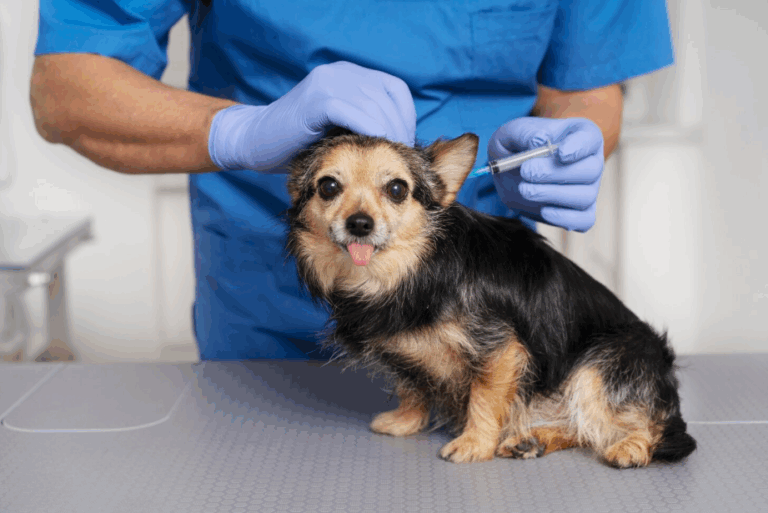
Before any animal is ready to be adopted, they receive extensive medical attention that often exceeds the adoption fee itself. All dogs and cats get vaccinations, spaying or neutering surgery, microchipping, and health examinations. Many also come in with additional medical problems that require expensive treatments.
“We typically spend $200-400 per animal on medical care alone,” states Dr. Sarah Chen, veterinary director at a local animal shelter. “Some animals need emergency surgery, dental work, or parasite and infection treatment. The adoption fee helps to offset these essential medical expenses.”
For instance, a puppy mill rescue needs dental surgery, or an intake stray cat has an infected wound. Those animals need general care immediately, irrespective of adoptability, since all animals deserve veterinary care.
Read More: How Pet Transport Networks Save Lives
Operating Expenses Keep Shelters Open
Aside from veterinary care, your adoption fee also pays for regular operating costs that enable shelters to stay open. These are salaries for vet techs, animal attendants, and adoption counselors who help pets find their forever homes.
Buildings need constant maintenance, cleaning supplies, food, bedding, and electricity. Most shelters also invest in enrichment programs, training classes, and behavioral rehabilitation to help animals become more adoptable.
The charge also covers administrative costs like licensing, insurance, and compliance with animal welfare legislation. These are behind-the-scenes expenses that help ensure that safe, healthy environments are available in which animals can reside until homes are found.
Read More: The True Cost of Pet Adoption (and How to Budget for It)
Quality Control and Commitment
Adoption fees serve another important purpose: they help prepare adopters financially for pet ownership. While the fee itself is nominal, it indicates that families have considered the long-term costs of veterinary care, food, and supplies.
“Free animals often end up back in shelters or in inappropriate placements,” says animal activist Maria Rodriguez. “A small adoption fee indicates that families are committed to providing proper care.”
This screening also reduces impulse adoptions and makes placements that are successful and long-term more likely.
Helping Save Future Animals
Every adoption fee goes directly towards enabling the shelter to save even more animals. By adopting an animal, your adoption fee assists in providing medical care, food, and shelter for the next animal in urgent need of rescue.
The majority of shelters are nonprofits and rely heavily on adoption fees, donations, and grants to continue their work. They could not continue to help needy animals without these funds.
Receiving Good Value
When you pay an adoption fee, you are receiving excellent value. Your new pet is vaccinated, spayed or neutered, microchipped, and possibly comes with a health guarantee. These services would be far more expensive if obtained separately than most adoption fees.
Most of all, you’re investing in an organization committed to animal welfare and enabling them to keep rescuing animals in need of second chances at happy lives.
Read More: Why Foster-to-Adopt Programs Are Growing in Popularity