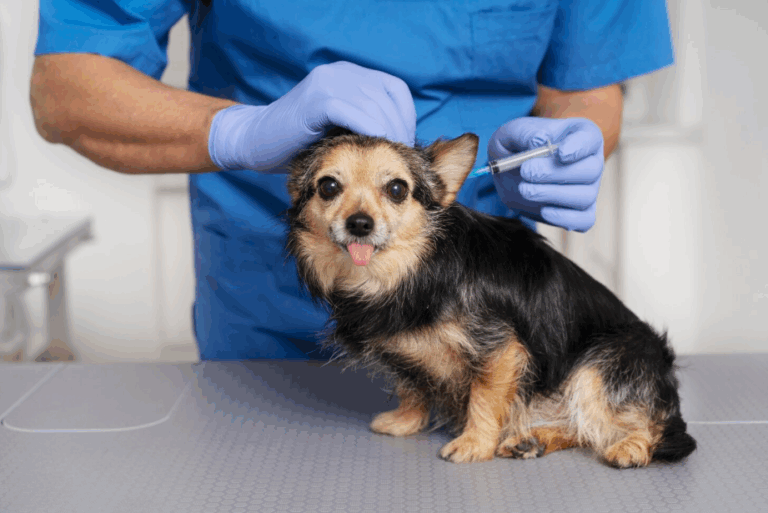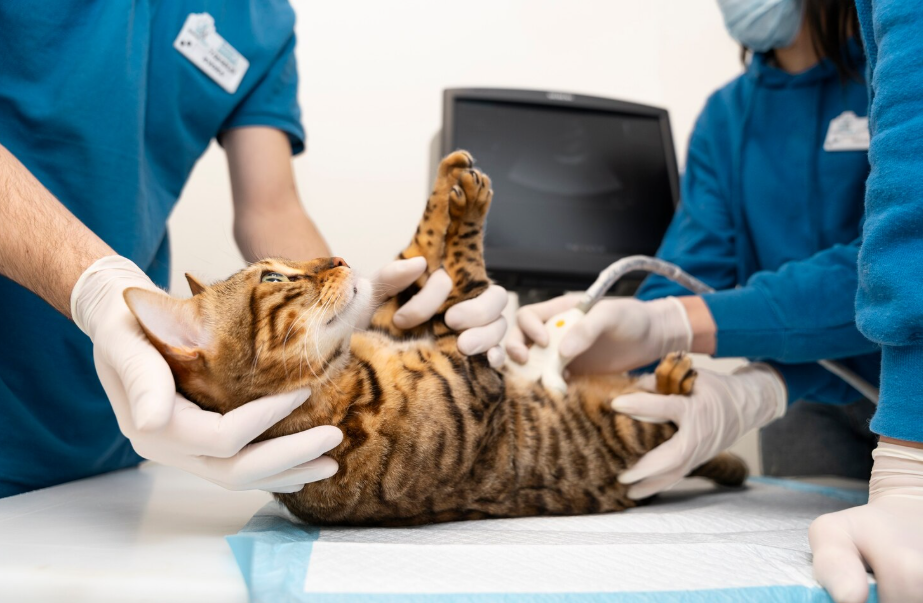
The spay and neuter initiatives shaping animal welfare in the U.S. are doing more than preventing litters. They are reducing shelter intake, easing overcrowding, and creating room for adoptions to thrive.
For countless cats and dogs, these programs mean everything. It’s the difference between waiting in a noisy kennel and finally curling up safe, loved, and home.
Let’s dive in and explore the link between these initiatives and adoption trends.
The Importance of Spay and Neuter Programs
Shelters across the country face overwhelming numbers. The ASPCA estimates that 6.3 million companion animals enter U.S. shelters each year—3.1 million dogs and 3.2 million cats (ASPCA). Many arrive not because they are unwanted, but because of accidental litter.
This is where spay and neuter initiatives change the story. When communities provide low-cost clinics, promote responsible pet ownership, and expand access to services, fewer animals end up behind shelter walls. Intake drops, stress on staff eases, and more lives are saved.
Adoption Trends and Positive Outcomes
Progress is happening. According to Best Friends Animal Society, the U.S. achieved an 83% shelter save rate in 2022, with the no-kill benchmark of 90% now within reach. A big part of this success links directly to spay/neuter and adoption rates.
- Fewer unwanted litters mean fewer crowded kennels.
- Shelters with manageable populations can focus on adoption campaigns.
- Pets are often already fixed, which removes a barrier for families ready to adopt.
- Communities see fewer stray animals, creating safer neighborhoods and healthier pets.
- Shelter resources stretch further, allowing more investment in medical care and behavior support.
This balance creates a cycle of hope: prevention keeps intake low, which gives adoption efforts the spotlight they deserve.
Check out Pet Adoption Rates in 2025: What the Numbers Say for more encouraging statistics.
The Benefits Go Beyond Numbers
The benefits of spaying and neutering pets extend well past shelter doors.
Fixed animals are less likely to roam or develop certain cancers, making them healthier companions. Communities benefit too. Fewer strays on the streets mean safer neighborhoods and less strain on animal control resources.
For shelters, these benefits translate into more time for outreach, care, and matching pets with loving homes. Programs like TNR (trap-neuter-return) for community cats also reduce the flood of kittens each spring. This means shelters can keep resources focused where they’re needed most.
Understand the True Cost of Pet Adoption and how spaying/neutering can be costly.
Reducing Pet Overpopulation for the Long Term
At its core, this movement is about reducing pet overpopulation. Every unplanned litter adds pressure to shelters already working at capacity. Over time, widespread community spay/neuter clinics and education efforts make a measurable difference.
The Humane Society of the United States emphasizes that affordable services and outreach are critical, educating adopters on when to spay or neuter pets. Their research shows that spay/neuter programs not only prevent suffering but also lower euthanasia rates and open doors for adoption.
It’s not just prevention for today. It’s a foundation for tomorrow, where shelters can focus on adoption success instead of overcrowding emergencies.
Spay and Neuter for Lasting Change
When shelters, vets, volunteers, and communities invest in spay and neuter initiatives, everyone wins. Families find healthy, ready-to-adopt pets. Shelters gain breathing room to focus on adoption drives. And animals get the second chance they deserve.
The link is clear: fewer unwanted litters mean more successful adoptions. By supporting these programs, we’re not just preventing problems, but we’re building a future where every pet has a real chance at love.