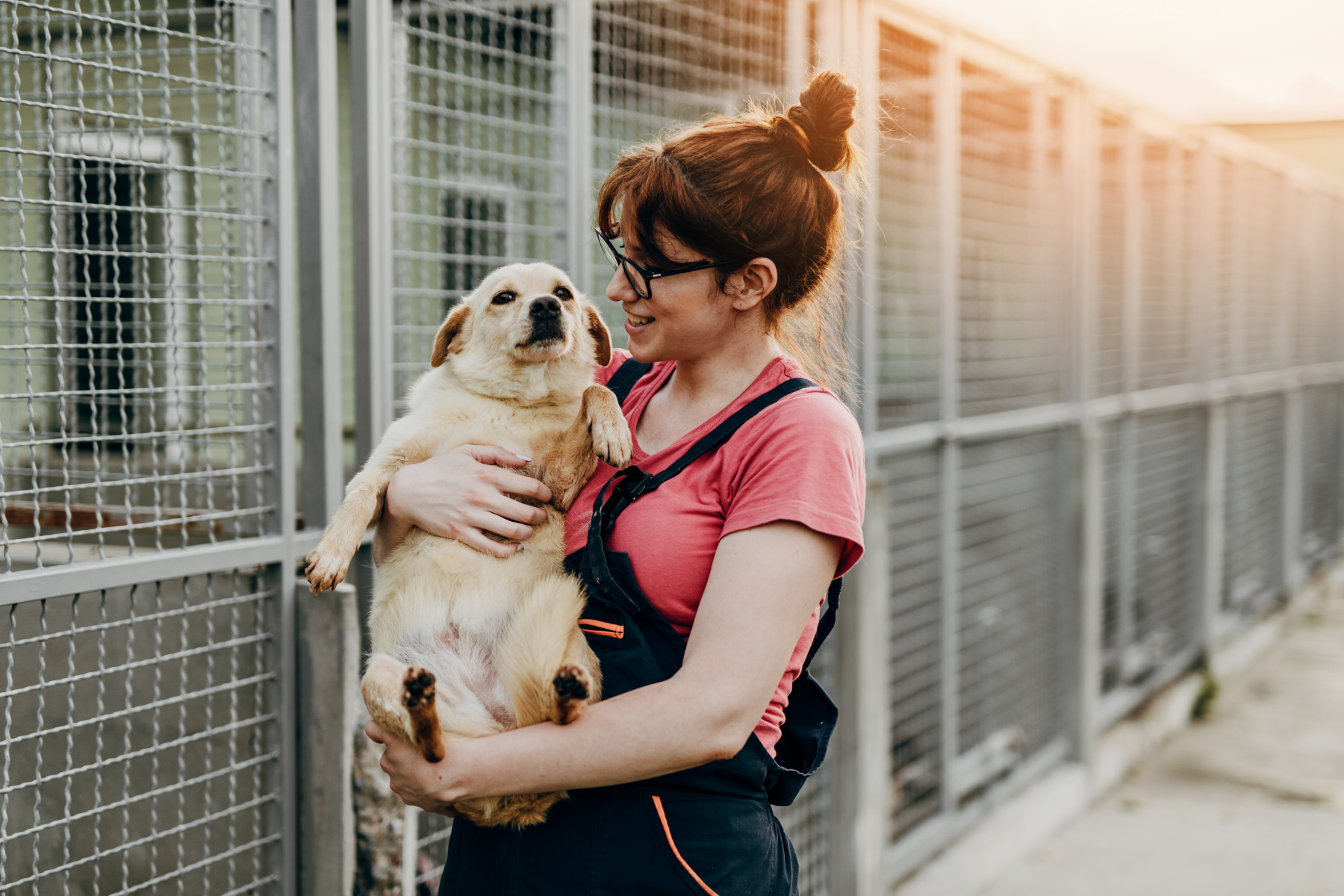
You visit the shelter with the plan to “just look,” but half an hour later, you’re signing adoption papers for a scruffy terrier mix that inexplicably captured your heart at first sight. You’re not alone if you’ve ever experienced this. The psychology of shelter pet selection reveals fascinating patterns about human decision-making, emotional sensitivity, and subconscious preferences that guide our choices.
Studies have established that the majority of adopters make their decision within minutes of encountering their new pet and generally against their initial criteria altogether. Through understanding these psychological elements, adopters and shelters alike will make more suitable matches.
The Power of Eye Contact
Studies always show that the key to pet adoption is face-to-face contact. Dogs that gaze into the eyes of the potential owners are adopted 30% faster than dogs that won’t even look at people who come to the shelter. It triggers our caregiving reflex and immediate emotional bond.
Cats that approach kennel doors and make eye contact also fare better than their more withdrawn peers. This is a sign of confidence and sociability—traits humans recognize as characteristics of a good companion animal.
Physical Appearance Bias
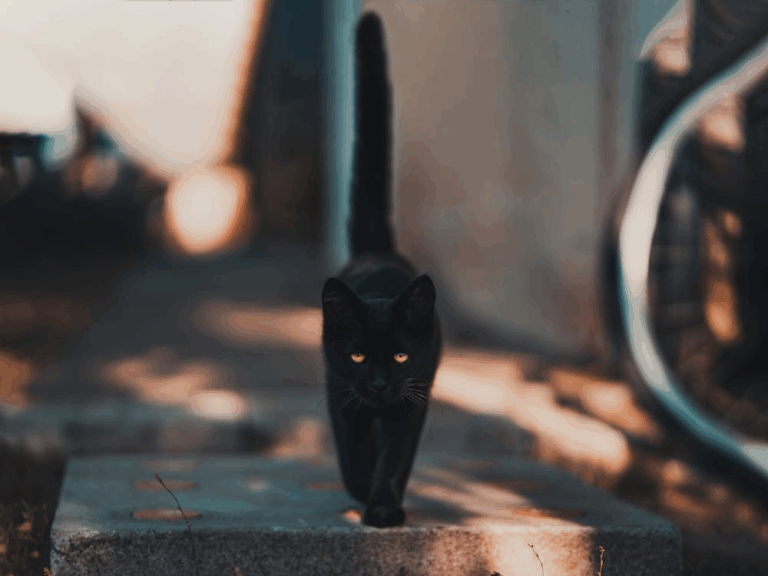
Good intentions notwithstanding, adopters have clear-cut preferences for physical characteristics. Light-colored animals are adopted sooner than dark-colored ones, small dogs sooner than larger ones, and animals with facial feature symmetries have adoption privileges.
For the most part, these preferences are founded on unconscious association, not usefulness. Shelter personnel report that the majority of adopters name specific breeds initially, but adopt animals that do not look anything like their stated wishes.
Interestingly, atypical physical attributes can work both ways. Where atypical markings or features work against adoption for some pets, others leave lasting impressions and attract specific adopters who desire unusual pets.
Read More: Why Black Cats and Dogs Still Struggle to Get Adopted
The Underdog Effect
Some adopters are drawn to pets with obvious challenges or unhappy pasts. Older pets, pets with minor disabilities, or pets with visible scars attract adopters who wish to “rescue” someone in more need.
This psychological draw to the underdog gives special-needs animals a chance, but it requires adopters who understand the commitment that comes with them.
Read More: Why Foster-to-Adopt Programs Are Growing in Popularity
Behavioral Chemistry
Beneath the surface, pet compatibility is a strong forecaster of pet selection. Confidently calm, playfully compatible, or softly loving dogs on initial encounters produce positive first impressions, leading to adoption.
Shelter behaviorists note that some animals seem to “audition” for their owners by showing their best during meet-and-greet sessions. Others are paralyzed by shelter anxiety and do not show their best selves in high-stakes first impressions.
The Role of Timing
Adoption decisions are often propelled by timing factors that are beyond the control of the animal. Weekenders are generally more laid-back and open to attachment, while weekday adopters are likely to be preoccupied. Seasonal patterns show increased adoptions for spring and summer months when people are more optimistic about new beginnings.
Timing is also personal. People who are experiencing great changes in their lives—new homes, relationship status, or jobs—are likely to seek pets that will represent comfort or companionship during challenging times.
Beyond Impulse Decisions
Even if attraction makes good pairings at first, shelters these days encourage thoughtful decision-making. Waiting times or second visits are standard at most to determine compatibility beyond attraction.
The psychology of pet selection reveals how emotional and intuitive our choice really is, with connection based on heart rather than head ruling the day to create lasting bonds.
Read More: How Pet Transport Networks Save Lives