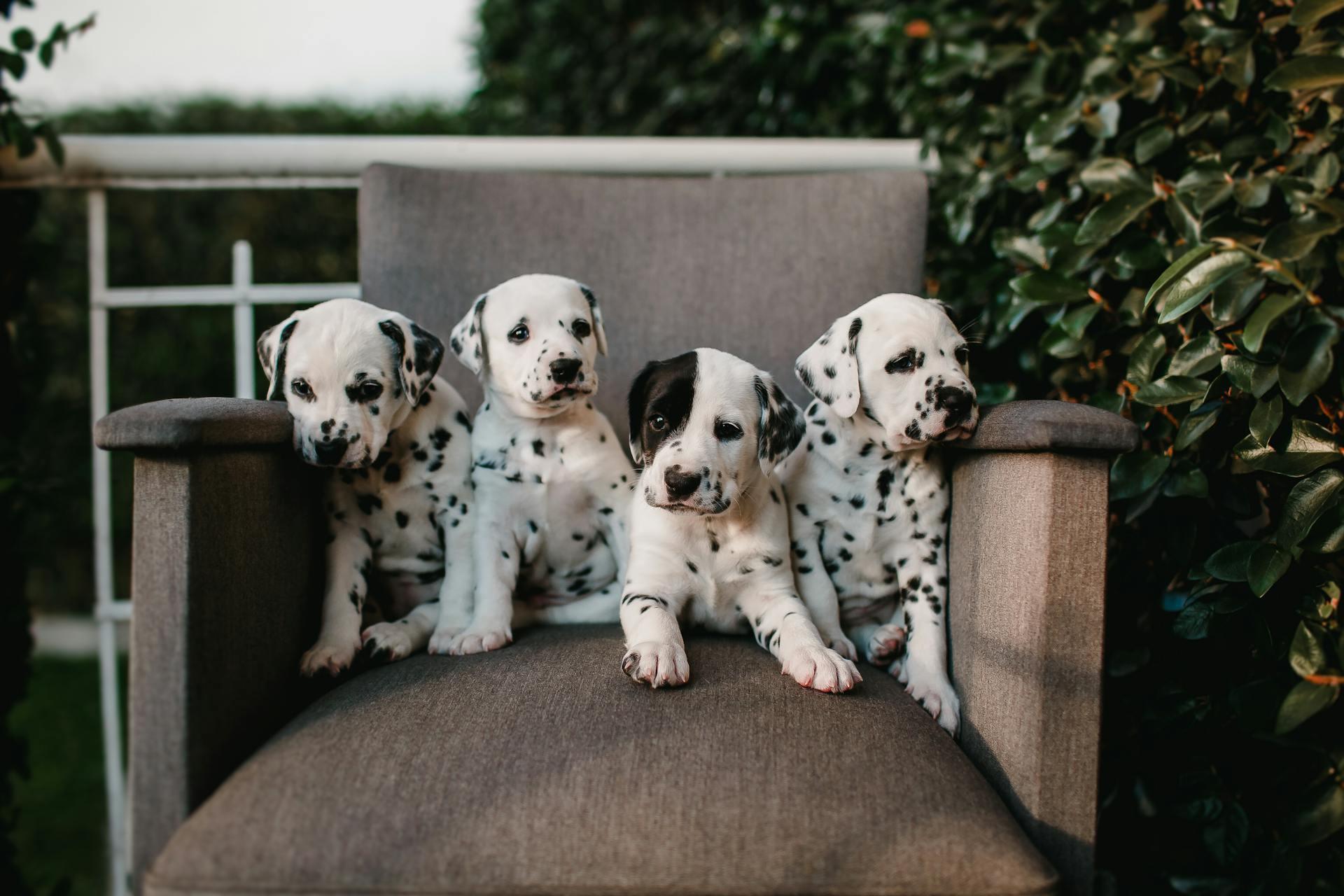
When Disney released “101 Dalmatians” in 1996, shelters all over the country saw an overnight explosion of Dalmatian adoptions. More recently, following the success of the “John Wick” franchise, shelters saw an increase in requests for Beagles like John Wick’s dog, Daisy.
These examples bear witness to a deep truth: popular culture influences our pet adoption decisions, though we fail to acknowledge it. Film, TV, and social media don’t merely entertain us; they shape our attitudes toward specific breeds, rescue animals, and pet keeping itself.
The Celebrity Pet Effect
When celebrities showcase their rescue animals on social media, adoption trends consistently follow suit. After actress Katherine Heigl advocated for pit bull adoption, several shelters reported increased interest in the breed. Similarly, when reality TV stars highlight specific breeds, those animals consistently experience spikes in popularity.
This star power can even extend to rescue culture itself. When celebrities make public statements about their adoptions, it encourages rescue culture and inspires others to consider adopting from shelters rather than purchasing from puppy mills.
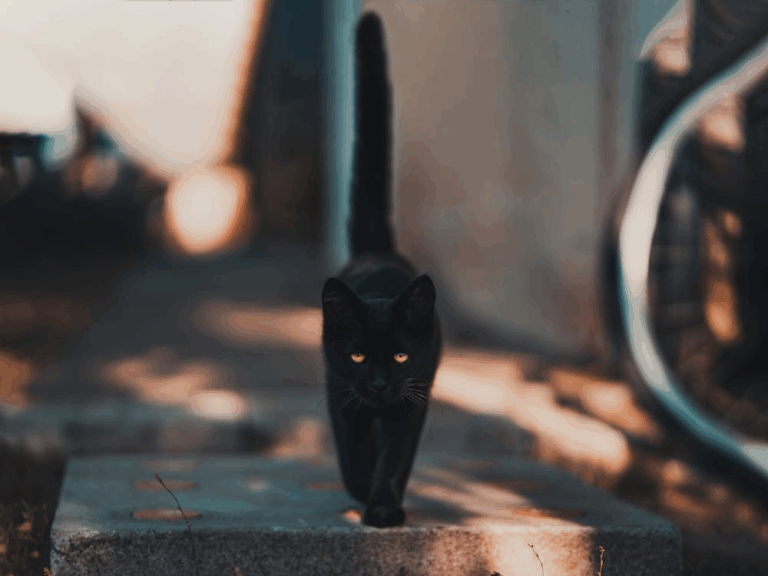
Read More: Why Black Cats and Dogs Still Struggle to Get Adopted
Movie Magic Meets Reality
Hollywood portrayals of pets present idealized circumstances that do not reflect problems of ownership in reality. Films present perfectly trained animals accomplishing incredible feats, but avoid housebreaking accidents, chewing on furniture, and behavioral adjustment phases.
On the other hand, there are other movies with a positive influence on adoption that depict the benefits of rescue. Shelter animal spotlight films normalize adoption and demonstrate that being purebred is not a deciding factor in pet value.
Read More: Why Fostering Is the Secret Weapon in Reducing Shelter Overcrowding
The Growing Influence of Social Media
Social media sites such as Instagram and TikTok have become leading influencers of pet adoption trends. YouTube viral videos on some breed or rescue tales can spark thousands of adoption requests across the country within days.
The “foster fail” trend—temporary foster families adopting their foster pets is gaining momentum on social media, encouraging others to take up fostering as a path to adoption. These word-of-mouth success stories are more effective than any marketing campaign.
But social media also inspires unrealistic expectations. Images of airbrushed, professionally posed pets don’t accurately portray the usually rumpled look of a typical shelter pet or its urgent needs.
Making Informed Choices
While pop culture can generate enthusiasm for pet adoption, effective matching requires taking into consideration more than media sentiment. Consider your actual lifestyle, home situation, and commitment level rather than emotional responses to dramatized representations.
Research breeds responsibly, visit local shelters and expose yourself to real animals, and consult with veterinarians regarding realistic expectations of pet ownership. The goal is to adopt a pet whose needs are aligned with your capabilities, not their Hollywood star power.
Pop culture will keep dictating adoption trends, but having an awareness of this allows us to make better-informed decisions that are beneficial for both the adopters and the animals awaiting adoption.
Read More: Celebrating “Gotcha Day”: Creative Ideas for Your Pet’s Adoption Anniversary