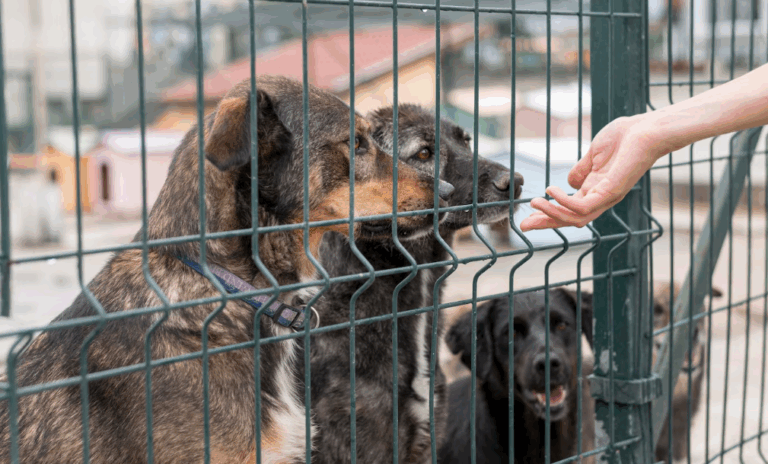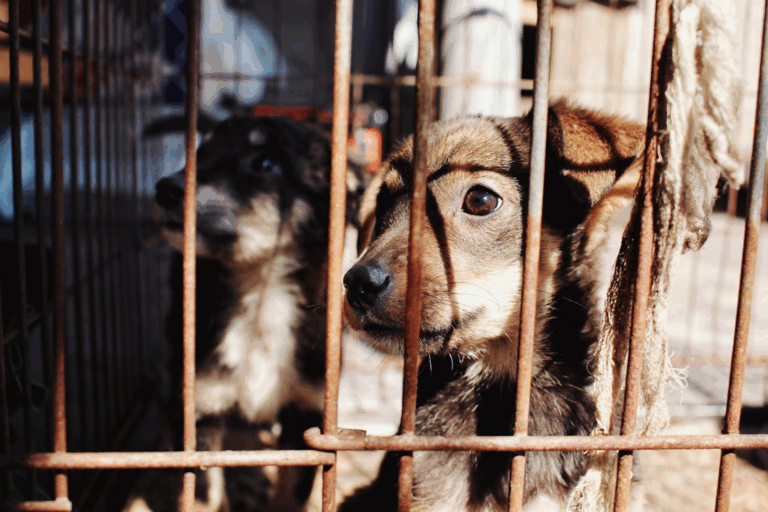
For many families, the idea of saving an animal from another country is deeply rewarding. International pet adoption can connect adopters with dogs and cats who may not survive otherwise. But it also comes with unique challenges.
Understanding the process, risks, and rewards will help ensure your decision gives a pet the safe, loving home they deserve.
How the Process Works
Adopting pets from overseas follows more steps than a local shelter adoption. You’ll need to work with a trusted rescue group or nonprofit that handles the pet adoption process abroad.
The basics often include:
- Filling out an adoption application.
- Securing pre-approval before travel.
- Meeting international adoption requirements, such as vaccinations, rabies titers, and microchipping.
- Obtaining health certificates signed by licensed veterinarians.
Between paperwork, health checks, and international transport, it can take weeks or even months before your new pet finally arrives. Patience and preparation are key, as every step is designed to protect both animals and families.
For a deeper look, check out The Pet Adoption Paperwork Process Explained.
Travel and Logistics
Once approved, you’ll need to navigate the travel requirements for pets. Airlines require approved carriers, booking, and sometimes the use of professional pet couriers. In certain cases, you may have the option to fly as a “flight volunteer” to escort animals safely.
Depending on the country, you may also face pet quarantine rules. Some nations, like the UK or Australia, require animals to spend time in quarantine facilities. While this adds time, it helps prevent the spread of disease and ensures a healthier transition.
Potential Pitfalls to Watch
International adoption carries risks. Some adopters encounter overseas pet adoption scams, such as fake rescues that exploit good intentions for money. Always verify organizations and ask for veterinary records.
Health is another concern. Foreign rescue dogs may carry diseases uncommon in your country, such as rabies or Leishmania. Cats may arrive stressed after travel, which can impact behavior.
Even after arrival, pets may take time to adjust. To understand how to support them, read What to Expect in the First 30 Days After Adoption.
Dogs and Cats from Abroad
Many families are drawn to overseas dog adoption. Dogs rescued from the streets of Asia or the Caribbean often find loving homes in North America and Europe. But it’s important to prepare for cultural and behavioral differences. Remember, street dogs may need more time to trust and adapt.
For those considering adopting a cat from abroad, the process is similar. Cats may struggle with long flights and new environments, so providing a quiet space to adjust can make their transition smoother.
The Rewards of Adopting Overseas
Despite the challenges, the rewards are profound. Families who open their homes to pets from abroad describe it as life-changing. Each animal represents more than paperwork. They are stories of resilience, survival, and love.
For adopters, it means giving rescue pets a second chance. A once-abandoned street dog can become a beloved family member. A shy cat from another country may blossom into a lap companion. These transformations remind us that compassion knows no borders.
A Journey Worth Taking
International pet adoption is not a simple process, but it is a powerful act of kindness. By understanding the paperwork, travel logistics, and health risks, you prepare yourself and your new companion for success.
The pitfalls are real, yet so are the rewards. For every pet who finds a family, the journey across borders is more than a relocation. It’s the beginning of a forever story.