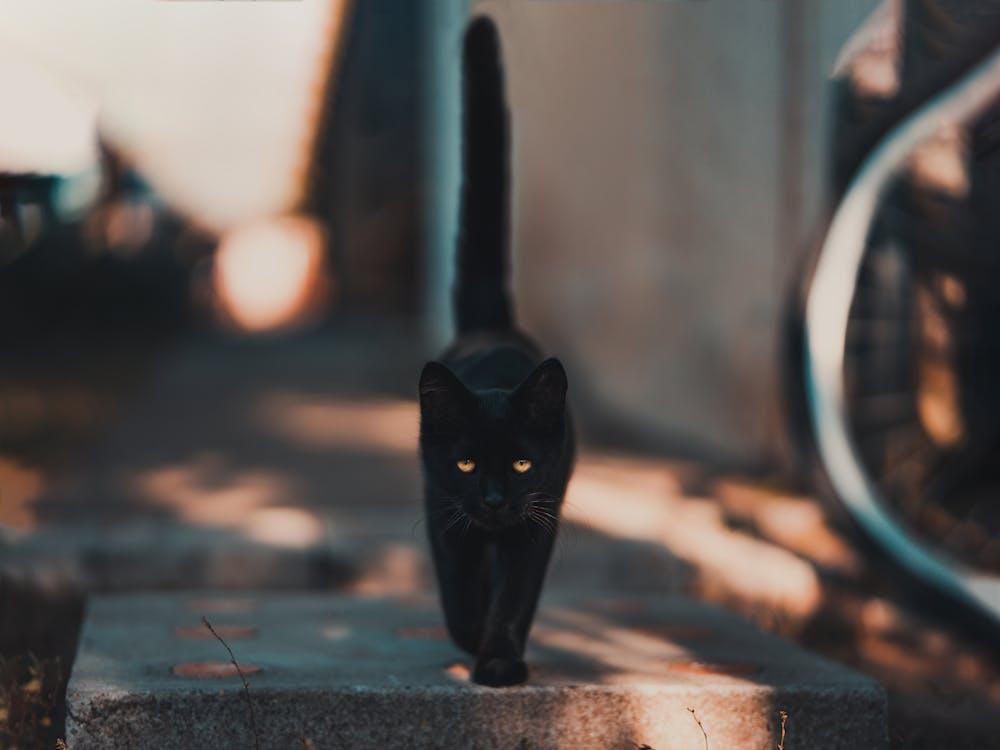
Despite their beauty, charm, and unwavering loyalty, black pets often wait the longest for homes. Old black pet adoption myths still cast an unfair shadow, leaving countless animals overlooked. Shelters and advocates fight daily to change this story.
By understanding these biases and challenging them, we can open more doors and give every pet the forever family they deserve.
The Reality of Black Dog Syndrome
One of the most persistent challenges in adoption is black dog syndrome—the idea that dark-coated dogs are harder to place in homes.
Some people see them as intimidating, while others simply pass them by in busy kennels where their features blend into the background. This stigma around black dogs has no foundation in truth. In reality, these dogs are every bit as gentle, playful, and devoted as their lighter-colored companions.
Shelters are finding creative ways to change this perception. With professional shelter photography for black pets, their bright eyes, goofy grins, and wagging tails shine through. A single well-lit photo can reveal their true personality and turn an overlooked pup into someone’s beloved best friend.
For more on common misconceptions, see Adoption Myths That Need Busting (and the Truth Behind Them).
Myths About Black Cats
When it comes to cats, superstition still casts a long shadow. For centuries, ancient legends painted black cats as omens of misfortune, linking them with witches and bad luck.
Even today, superstition about black cats lingers in certain cultures, fueling unfair judgments and feeding harmful black cat adoption myths. Sadly, these beliefs slow down their chances of finding loving homes.
But the truth is far brighter. In many traditions, black cats are symbols of good fortune, protection, and prosperity. Their glossy coats and bright eyes make them just as lovable as any other feline.
By challenging outdated fears and celebrating their beauty, adopters can help break down adoption bias against black pets once and for all.
Why Black Pets Are Overlooked
So, why are black pets overlooked compared to lighter-colored animals? Research points to a few main reasons:
- Old superstitions unfairly label black cats and dogs as unlucky or intimidating.
- Visibility challenges in shelters, where dark coats can blend into shadows or poor lighting.
- Kennel competition, where lighter-colored pets may stand out first to potential adopters.
None of these reasons reflects the true qualities of these animals. They are affectionate, loyal, and just as deserving of love as any other pet. Their only difference is the color of their coat, and that should never decide their future.
Changing the Narrative
The good news is that change is already happening. Shelters are launching creative campaigns and adoption events that spotlight the beauty of black pets, celebrating their elegance, resilience, and unique personalities.
Social media has become a powerful ally too, sharing joyful updates and success stories of once-overlooked dogs and cats now thriving in forever homes.
Yes, there are still challenges adopting black pets, but every adopter who opens their heart helps break the myths and rewrite a brighter story for them.
Hope Beyond the Myths
At the heart of it, black pet adoption myths are just that—myths. These animals wait longer for homes, not because of who they are, but because of how people see them.
By learning the truth and supporting shelters, you can make a difference. Open your home, and you’ll discover that love shines brighter than any coat color.