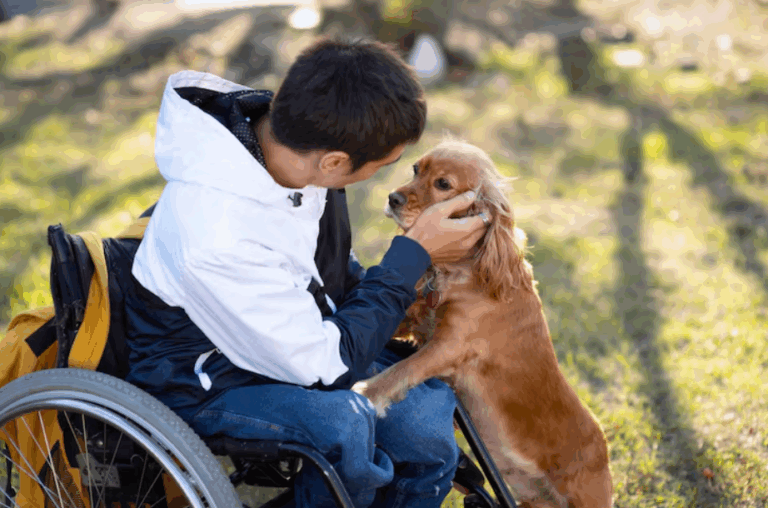
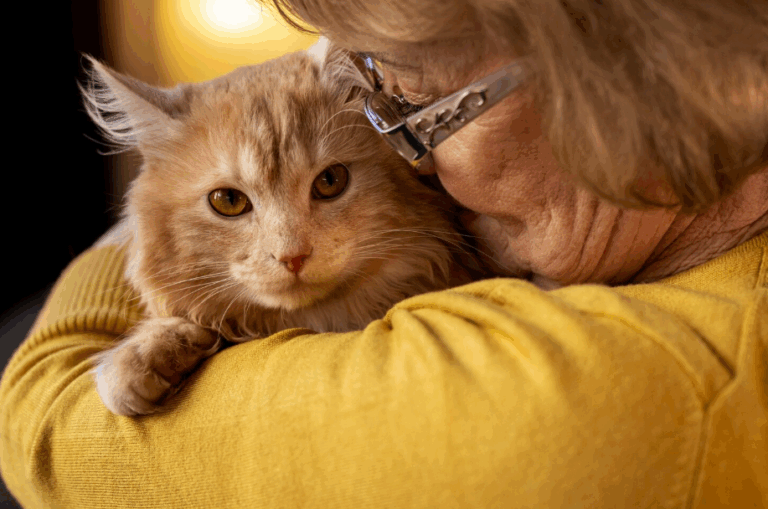
After spending twelve hours in a hospital ICU or managing a classroom of thirty students, you need something that understands when words aren’t enough. That is exactly what most frontline workers discover the instant they bring a rescue pet into the family. There is something beautifully parallel about human beings who build a career of serving others and animals who themselves have needed rescuing; both prize resilience, second chances, and the healing power of pure friendship.
Shared Stories of Survival and Recovery
Teachers, nurses, paramedics, and firefighters are drawn to saving pets because they see something similar in their eyes. Both have experienced hard times, endured adversity, and emerged stronger on the other side. After a lifetime of working to assist people at their worst, you develop a newfound respect for animals who’ve endured abandonment, neglect, or trauma.
Georgia intensive care unit nurse Kim Still is the ultimate expression of this bond. While caring for a dying patient who had no one to look after her beloved Chihuahua, Jax, she still made a promise that would change their lives. After her patient died, she found Jax at a shelter and brought him home. “I could never have guessed the connection that you make with some people when you take care of them,” she went on to say in her ABC News story. “They just totally like, changed” her perspective on the healing power of rescue relationships.
Read More: The Heartwarming World of Special-Needs Pet Adoptions
Natural Stress Relief After High-Pressure Days
Your job requires constant alertness, lightning-fast decisions, and emotional resilience that leave you completely depleted. Rescue animals seem to intuit this depletion and provide just what you need most: quiet, unjudging companionship that lets your nervous system finally relax.
Studies have shown that stroking animals reduces cortisol levels and releases oxytocin – the same hormone that allows you to bond with your patients and students at your most compassionate moment. By bringing a rescue pet home, you’re not just gaining a friend; you’re accessing an inbuilt stress-reduction program that keeps the physical and emotional impacts of frontline work from wearing you down.
Read More: How Pets Rescue Us Right Back: Stories from Adopters
Understanding the Value of Second Chances
Perhaps no one knows the concept of second chances more than professionals who are constantly exposed to human struggles. You’ve seen people overcome addiction, students succeed in the face of adverse home conditions, and patients heal from seemingly impossible situations. This instills in you a natural desire to save animals who need their own fresh start.
A powerful example comes from Wisconsin, where first responders who helped rescue 53 shelter dogs from a plane crash ended up adopting several of the animals themselves. These emergency workers understood firsthand the resilience these dogs showed during trauma, creating instant bonds that led to permanent homes. Teachers often share similar connections – when you invest your career in believing people can change and grow, extending that same faith to a shelter animal feels completely natural.
Practical Benefits for Demanding Schedules
Rescue animals, especially the older ones, generally have established habits and training that are highly compatible with non-traditional work schedules. They’re probably past the destructive puppy phase and understand that sometimes you work long shifts or overnights. Most rescue pets only crave stability and love, and therefore are highly adaptable to the shifting schedules that frontline work presents.
First responders particularly appreciate the way rescue animals never judge when you need to blow off some steam in quiet or when your uniform shows the scars of difficult calls. These animals provide consistent emotional support without adding weight to your already stressful life.
Creating Healing Partnerships
When you take in a rescue pet, you’re not just gaining a companion – you’re committing to a mutual healing relationship. Your rescue pet gets the loving home they deserve, and you get a stress-reducing, emotionally supportive companion who understands that some days are harder than others.
Visit your nearby animal shelter and let them know what you do. Certain shelters will introduce you to rescue dogs or cats with similar energy levels and temperament that will complement the unique demands of frontline work. You could discover the perfect stress-reduction pal has already been waiting for someone like you.
Read More: Rescue to Rockstar: Famous Pets Who Were Once Homeless