Adopting a pet is one of life’s most rewarding journeys. Today, more families are finding their new best friend through virtual pet adoptions.
What started as a creative solution during uncertain times has become a lasting way to open hearts and homes to animals in need.
How the Digital Pet Adoption Process Works
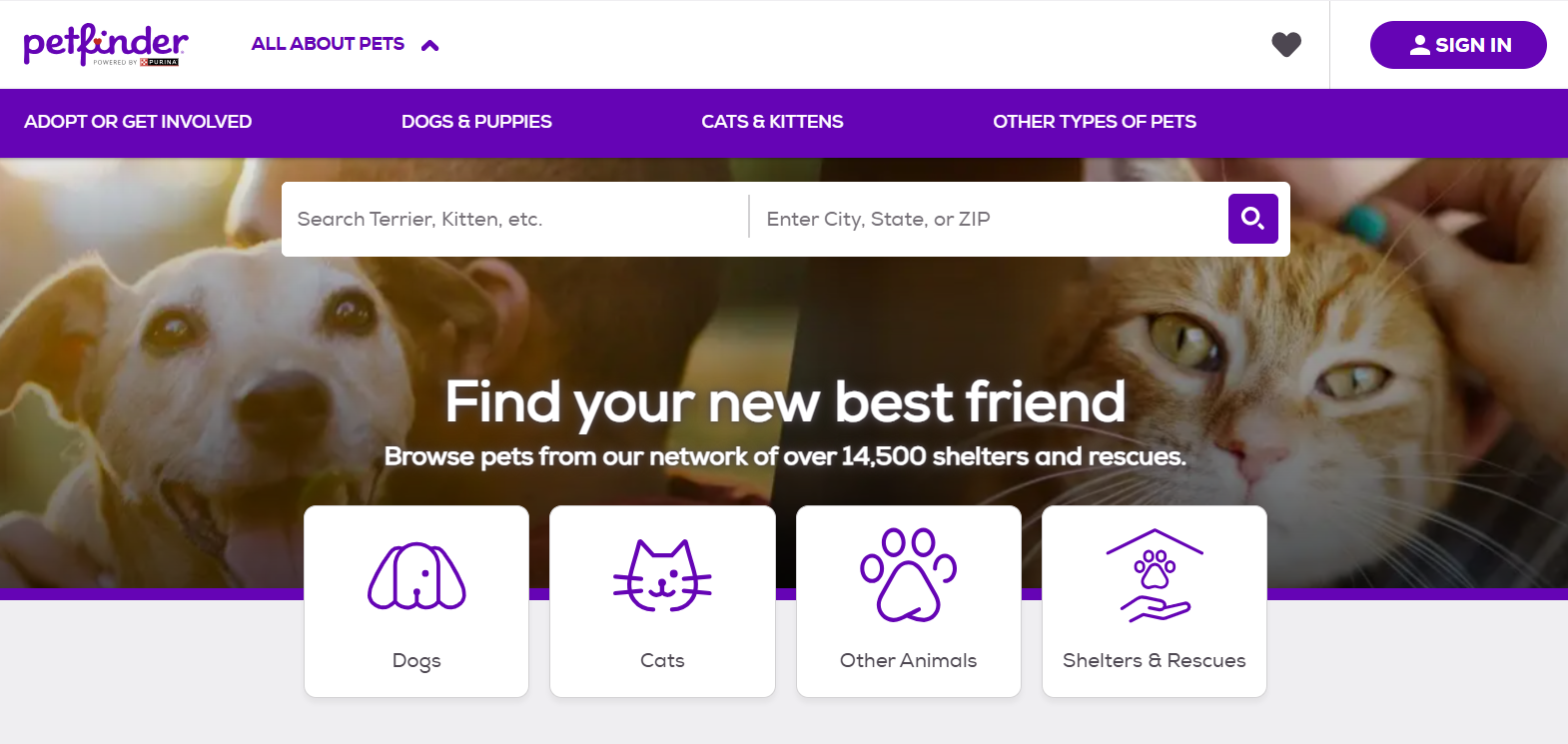
Think of a digital pet adoption process as a bridge that brings people and pets together, no matter the distance. It usually begins on a shelter’s website or on trusted platforms like Petfinder, where photos, videos, and little bios let each animal’s personality shine.
Once a family feels a spark, they complete an online application. This helps shelter staff understand lifestyle, routines, and preferences. From there, many rescues invite adopters to an online meet-and-greet with pets—a video call where you can ask questions and see if that instant connection is there.
When it’s time to take the next step, adopters schedule a safe pickup or arrange a contactless pet adoption. Each moment is guided with care, making the transition smoother for both people and pets.
Check out our guide to 10 Questions to Ask a Shelter Before Adopting a Pet for helpful insights.
The Role of Pet Adoption Platforms
Behind the scenes, pet adoption platforms make this all possible. Systems like Shelterluv, Adopets, and PetPoint keep things running smoothly, from handling applications to scheduling appointments and even signing paperwork digitally.
This is a perfect example of how shelters use technology for adoption. These tools don’t just save staff time; they also give pets a better chance to be seen by families who may live miles away. It’s technology serving compassion.
The Benefits of Virtual Pet Adoptions
The benefits of virtual pet adoptions reach far beyond convenience.
- A bigger family circle: Pets get the chance to meet adopters from outside the shelter’s neighborhood.
- Less stress for animals: Many pets feel calmer when introductions happen in quieter spaces, letting their true selves shine.
- Flexibility for families: Parents juggling work and kids can still adopt a pet online without the pressure of rushing across town.
- Safe and caring handoffs: Especially after the pandemic, knowing there are safe, simple ways to welcome a pet brings peace of mind.
Every step is designed with love for the animals and for the people who bring them home.
The Drawbacks of Virtual Adoptions
Like any new process, virtual adoptions come with their own challenges.
- Limited in-person interaction: Some adopters may struggle to connect fully with a pet through a screen.
- Technology barriers: Families without reliable internet may find it harder to participate.
- Mismatch risks: Even with video chats, some pets behave differently in person, which can surprise adopters later.
These drawbacks show why some shelters keep a hybrid model, blending online and in-person steps.
From Remote Adoption to Joyful Events
The story of remote adoption grew quickly during the COVID-19 pandemic.
Shelters had to get creative, and they did. Some launched video pet adoption events, like “Dogs on Zoom,” where dozens of wagging tails and hopeful faces filled a screen. Families joined from across the country, and many pets found forever homes within days.
Even now, these virtual events prove that no matter the format, love always finds a way.
The Future of Pet Adoptions
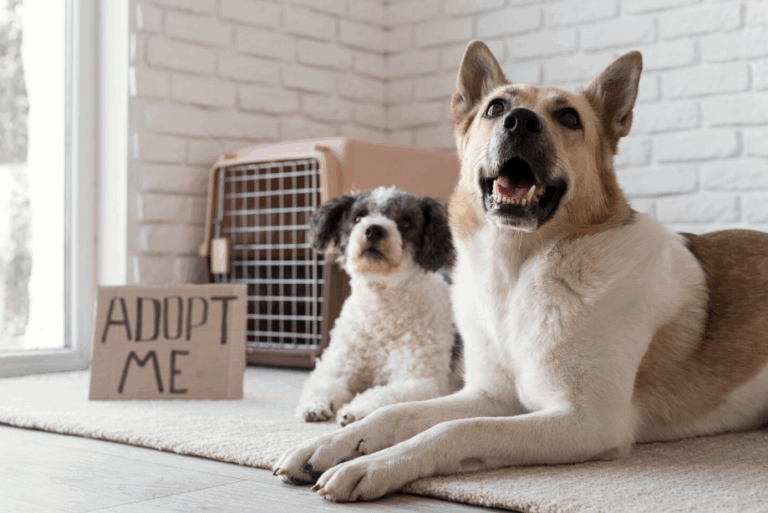
Virtual pet adoptions have transformed the way we connect with animals in need. They make the process easier, kinder, and more accessible for families everywhere. Most importantly, they give pets the chance to be seen and loved.
If you’re dreaming of bringing a furry friend into your life, consider exploring an online pet adoption program. The right companion may just be waiting for you on the other side of the screen.